A New Mental Health Service From The NHS
There is a new mental health service now available from NHS 111. Mental health patients in England can now get...
Read More
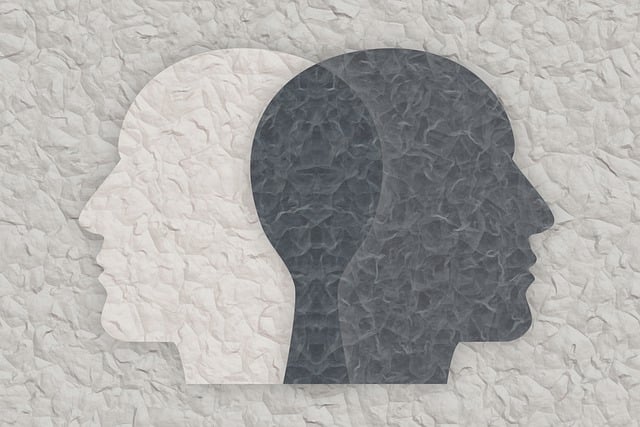
Bipolar disorder, also known as manic depression, is a complex mental illness influenced by various factors, including neurological, biological, emotional, and environmental elements. It is characterized by fluctuating moods, swinging from periods of intense happiness (mania) to extreme sadness (depression).
Recent advancements in diagnosis have led to the categorization of bipolar disorder into two distinct types based on the pattern of mood shifts. Bipolar disorder type 1, referred to as raging bipolar disorder, is diagnosed when the patient experiences at least one manic episode lasting for a week or longer. On the other hand, bipolar disorder type 2, known as rapid cycling bipolar disorder, is diagnosed when the patient has both a manic and depressive episode within a shorter time frame.
In bipolar disorder type 1, patients may also experience hypomania, a heightened state that often persists due to constant elevated mood levels. This condition involves a combination of mania and mood changes, sometimes accompanied by psychotic symptoms like delusions or hallucinations. Similarly, mixed episodes are common in bipolar disorder type 1, characterized by simultaneously feeling happy and sad, leading to emotional distress and manic symptoms such as difficulty concentrating and sleep disturbances.
Bipolar disorder type 1 is the most prevalent and treatable form of the condition. The predominant presence of prolonged manic periods with infrequent short depressive episodes simplifies treatment options. This allows for a more straightforward prescription of medications focused on managing manic episodes and mood stabilization without complicated adjustments for depression.
The specific symptoms experienced by the patient determine the choice of medication for managing excessive moods. For mild constant mania, lithium is commonly prescribed. In cases involving persistent mixed mania or hypomania, stronger medications, or anti-psychotics such as Depakote are preferred.
Furthermore, bipolar disorder type 1 patients can benefit from Cognitive Behavioral Therapy (CBT). This therapy is effective in facilitating the rationalization of situations, identification of triggers, and control of severe episodes. However, its effectiveness may be reduced during hypomanic episodes, a common occurrence in some bipolar type 1 patients.
In conclusion, appropriate treatment and medications can effectively manage bipolar disorder type 1. Anyone experiencing symptoms of bipolar disorder type 1 should seek diagnostic testing and discuss treatment options with a healthcare professional as early intervention and proper management are crucial. Ultimately, patients play a significant role in managing their illness and treatment process.

There is a new mental health service now available from NHS 111. Mental health patients in England can now get...
Read More
If you find yourself in need of help, especially during times of crisis, it's crucial to know where to seek...
Read More
Care is taken often, to protect vulnerable people from any harm that may lie in wait. We can inadvertently put...
Read More
But again, is it enough? With more services being stretched to the limit, the government is going to take mental...
Read More
Well yes, it’s come around again, it’s the general election. Everyone is fighting to have a majority in the House...
Read More
NHS England will launch a new attention deficit hyperactivity disorder (ADHD) taskforce alongside government to improve care for people living with the condition.
Read More
It’s Not Simple on Social Networks Well, we have joined a few social networks to get our word out so...
Read More
Ok this is a personal message to the good people at Lancashire South Cumbria Foundation Trust but not the directors...
Read More
This ones for us not a tough one but it could be. People or organisations these days can fit into...
Read More
Life moves forward and so does technology. Mobiles have made life much easier and allowed people to communicate literally everywhere....
Read More
Notifications

